Sendcloud vs ShipBob
Side-by-side comparison — pricing, features, ratings, use cases. Find which Shipping fits you best.
💰 Pricing
🔧 Features
📋 Assessment
💪 Strengths
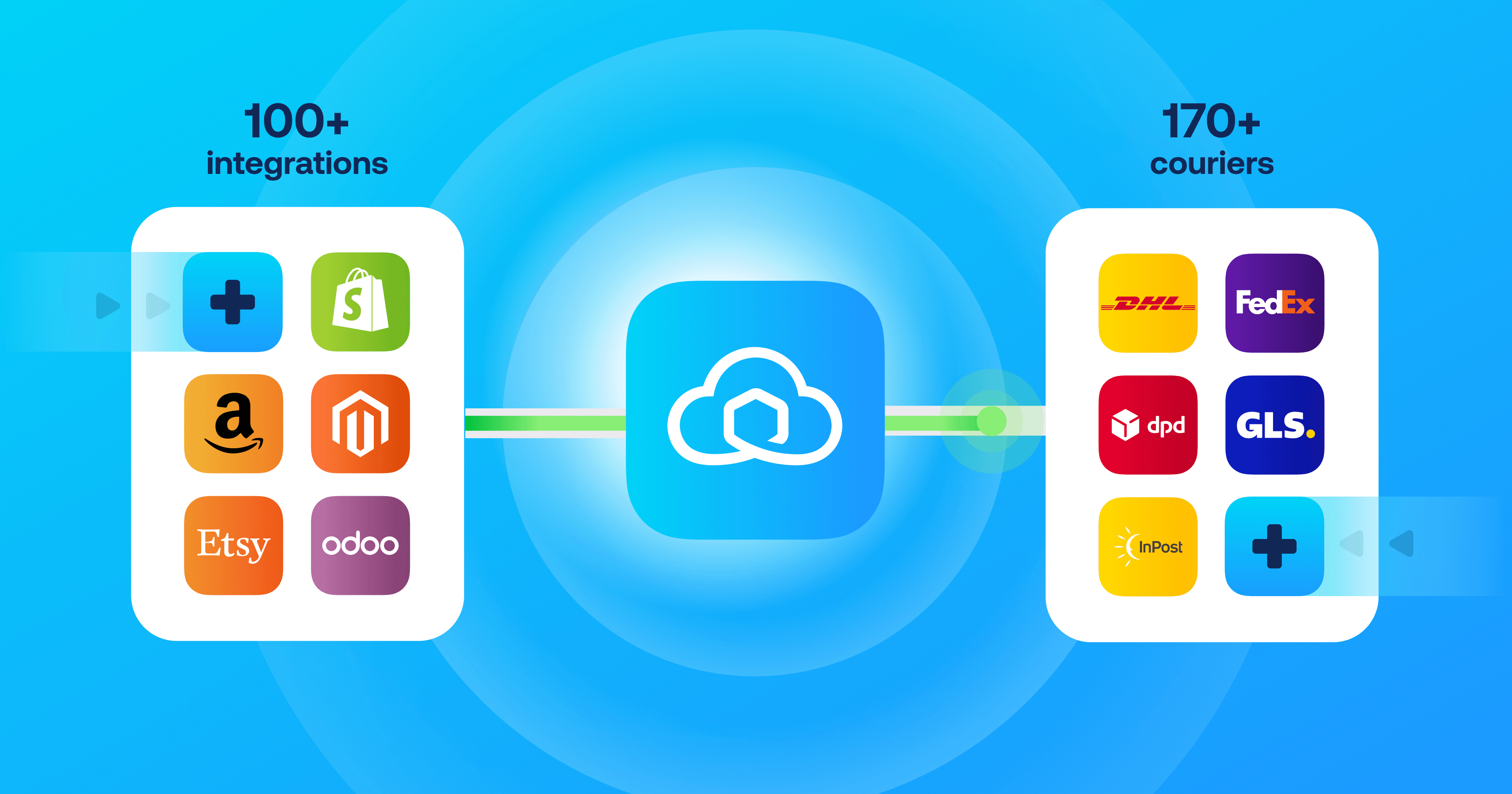
- Extensive carrier and platform integrations: Sendcloud integrates natively with all major e-commerce platforms including Shopify, WooCommerce, Magento, PrestaShop, BigCommerce, and more, allowing you to connect your store in minutes. It also supports over 70 shipping carriers across Europe and the US, such as DHL, UPS, FedEx, PostNL, and DPD, letting you choose the best rates and options for each shipment. This is a huge advantage over using a single carrier directly.
- Powerful automation rules: The automation feature is a standout. You can create rules to automatically select carriers based on weight, destination, order value, or even specific products, and then auto-print the shipping label. You can also set up automatic customer notifications via email. This significantly reduces manual work and speeds up your fulfillment process, making it ideal for high-volume operations.
- Branded tracking and returns management: Sendcloud offers a fully customizable tracking page that you can brand with your logo and colors, providing a seamless post-purchase experience for your customers. Additionally, the returns dashboard allows your customers to initiate returns online, and you can manage the entire process, including printing return labels and processing refunds. This improves customer satisfaction and reduces support tickets.
- User-friendly interface and onboarding: The Sendcloud dashboard is intuitive and easy to navigate. The setup process is straightforward, and you can import orders from your e-commerce platform with just a few clicks. The learning curve is relatively low, and you can get up and running within a day, which is a big plus for busy merchants.
- Unbeatable shipping rates (with negotiated rates): Sendcloud allows you to either use your own carrier contracts or take advantage of Sendcloud's negotiated rates, which are often much lower than standard carrier rates for small businesses. Since you can compare rates side-by-side at checkout, you can always choose the most affordable option for each shipment, saving money in the long run.
⚠ Watch out for
- Cost and fee structure: Sendcloud's pricing model can be tricky. Even on the free plan, you're charged a per-label fee (from €0.09) on top of the shipping rate. On paid plans, some tiers still include per-label fees, while higher-priced plans remove them. For high-volume shippers, these fees can accumulate significantly. To get the best value, you might need to upgrade to a higher plan, which could be more expensive than competitors like Shippo (which have a flat monthly rate per label).
- Advanced features are gated behind paid plans: Features that are essential for many businesses, such as branded tracking pages, automatic customer notifications, and advanced automation, are only available on paid plans. The free plan is very limited, and even the lower-priced paid plan may not include all the features you need. This can be frustrating if you're on a tight budget.
- Carrier availability varies by region: While Sendcloud supports many carriers, the actual carriers available to you depend on your country and the region you're shipping to. For example, a US-based merchant may have limited options for international shipping compared to a European one. This can be a limitation if you have complex international shipping needs.
- Support response times can be slow: Some users have reported that customer support response times are not as fast as they'd like, especially on the free or lower-tier plans. While there is a knowledge base and help center, getting quick answers via chat or email can sometimes be a pain point.
- Occasional technical glitches: A few users have mentioned occasional bugs or glitches with the integration with certain e-commerce platforms, particularly around inventory synchronization or label formatting. While these are not widespread, they can cause delays in fulfillment when they occur.
🎯 Best for
Small to medium-sized e-commerce businesses using major platforms like Shopify or WooCommerce that want a user-friendly way to manage multi-carrier shipping, printing, tracking, and returns.
🚫 Who should skip
Large enterprises with highly complex logistics needs, custom carrier contracts, or very high shipping volumes may find Sendcloud's pricing and features too rigid compared to more enterprise-focused shipping platforms.
📚 Learning curve
Moderate — setting up integrations and automation rules takes some initial effort, but daily use is straightforward once configured.
🧑⚖️ Verdict
Sendcloud is an excellent choice for small-to-medium e-commerce businesses that want to streamline their shipping process with powerful automation and offer a branded post-purchase experience. However, the pricing model can be complex, with per-label fees that might add up. If you value automation a

💰 Pricing
🔧 Features
📋 Assessment
💪 Strengths
- No monthly or hidden platform fees: ShipBob charges solely for pick/pack, storage, and shipping, so your costs fluctuate with actual order volume. This is ideal for seasonal businesses or those in a growth phase, as you won't pay a flat fee even when orders are slow. You only pay when you use the service.
- Broad distributed warehouse network: With fulfillment centers strategically located across the US, Canada, Europe, and Australia, ShipBob claims to reach 90% of the US population within 2 days. This reduces shipping zones, lowers last-mile costs, and improves delivery speed, which is a key factor in customer satisfaction and conversion rates.
- Deep native integrations: ShipBob connects natively with Shopify, BigCommerce, Amazon, Walmart, eBay, and others, providing real-time inventory sync and automated order routing. This eliminates manual data entry, reduces errors, and ensures inventory levels are accurate across all sales channels, which is critical for multi-channel sellers.
- Comprehensive inventory management: The platform gives you full visibility into inventory counts, forecasting, and live reporting. You can see which products are selling where, when to restock, and how stored items are moving. This data helps you optimize stock levels and avoid stockouts or overstocking.
- 2-day delivery network: ShipBob's distributed network is specifically designed to offer 2-day delivery to many customers, which is a competitive advantage for ecommerce brands looking to meet Amazon Prime expectations. This can increase conversion rates, as fast shipping is a major factor in purchase decisions.
⚠ Watch out for
- Opaque, custom pricing: You can't find a rate card on their website. You have to request a quote and negotiate, which makes it difficult to compare costs with other 3PLs. This lack of transparency can be frustrating for budget-conscious buyers and makes forecasting costs unpredictable, especially as volumes fluctuate.
- Fulfillment fees can be high for lightweight or low-cost items: For small, lightweight products that you could ship yourself for a few dollars, ShipBob's per-order fees can be significantly higher. Additionally, storage fees are higher than some competitors, especially for slow-moving inventory, which can eat into margins.
- Not suitable for very low volume sellers: If you're only fulfilling a handful of orders per day, the per-order fees are disproportionate to the service benefit. The cost to pick, pack, and ship each item may exceed your profit margin, making it more economical to handle fulfillment in-house until you reach a certain volume.
- Standard shipping only: ShipBob does not offer sea freight or freight forwarding for incoming goods. They only handle parcel shipping; you need to arrange your own freight to their warehouses. This adds complexity for brands importing from overseas, as you must coordinate drayage and warehousing separately.
- Onboarding requires planning: Getting started involves sending inventory to their facilities, which requires careful coordination and planning. There may be onboarding fees and a lead time to receive inventory, so you can't expect to sign up and start shipping the next day without proper planning.
🎯 Best for
Ecommerce brands with steady order volume that want to outsource picking, packing, shipping, and inventory management to a national or global 3PL.
🚫 Who should skip
Very small merchants with low order volume under about 100 orders per month might be better off self-fulfilling or using a simpler dropship solution, since ShipBob's per-order and storage fees can be cost-prohibitive.
📚 Learning curve
Moderate — ShipBob has a clean dashboard, but onboarding involves integrating your store, migrating SKUs, sending inventory to warehouses, and understanding their per-order cost structure.
🧑⚖️ Verdict
ShipBob is ideal for growing ecommerce businesses that need a scalable, tech-enabled 3PL with nationwide delivery speed and multi-channel automation. If you value integration depth and 2-day delivery and are willing to accept non-transparent pricing, it's a strong candidate. However, if you're a low
📊 Use Case Suitability
Higher score = better fit. Scores from editorial review.
🧭 Which One Should You Pick?
Choose Sendcloud if...
- You are: Small to medium-sized e-commerce businesses using major platforms like Shopify or WooCommerce that want a user-friendly
- 👍 Integrates with a wide range of e-commerce platforms like Shopify, WooCommerce, and Magento, making
- 👍 Multi-carrier support with the ability to compare rates and use your own carrier contracts or Sendcl
- 👍 Automation rules can streamline the shipping workflow by automatically selecting carriers, printing
- 💰 Free tier available
- ⚠ Trade-off: Per-label fees on top of shipping rates can add up quickly, especially on the fr
Choose ShipBob if...
- You are: Ecommerce brands with steady order volume that want to outsource picking, packing, shipping, and inventory management to
- 👍 No monthly platform fee or setup fee — you pay for pick/pack, storage, and shipping, which keeps cos
- 👍 A distributed warehouse network across the US, Canada, Europe, and Australia enables 2-day delivery
- 👍 Native integrations with Shopify, BigCommerce, Amazon, Walmart, eBay, and other channels with real-t
- ⚠ Trade-off: Pricing is custom and not transparent, so you won't know exact per-order costs u
❓ Frequently Asked Questions
Does Sendcloud offer a free plan?
Yes, Sendcloud has a free plan with no monthly subscription fee, but you pay per label for shipping. Paid plans unlock additional features like automation rules and branded tracking pages.
Is there a limit on the free plan?
The free plan has no monthly subscription, but you pay per label and may have limits on features, number of users, and available carriers. Check the pricing page for current shipment limits.
🔗 More Shipping Comparisons
🔀 Explore Alternatives
📧 Save this comparison
We'll email you a link to this comparison. No spam.